
474-How To Improve Cervical Mucus Fertility And Best Food To Eat?
How To Improve Cervical Mucus..Discover tips, diet, and natural remedies to enhance your chances of conception.
OVERVIEW
Cervical mucus is a secretion generated by the cervix that facilitates the journey of sperm to the egg for the purpose of fertilization. It serves several important functions, including:
- Sperm transport: Cervical mucus helps sperm move from the vagina to the upper reproductive tract.
- Sperm preparation: Cervical mucus filters and prepares sperm for fertilization.
- Sperm protection: Cervical mucus protects sperm from the hostile vaginal environment.
- Lubrication: Cervical mucus also acts as a lubricant during sexual intercourse.
- Infection prevention: The mucus layer on the cervix prevents infection.
Cervical mucus fertility : How To Improve Cervical Mucus?
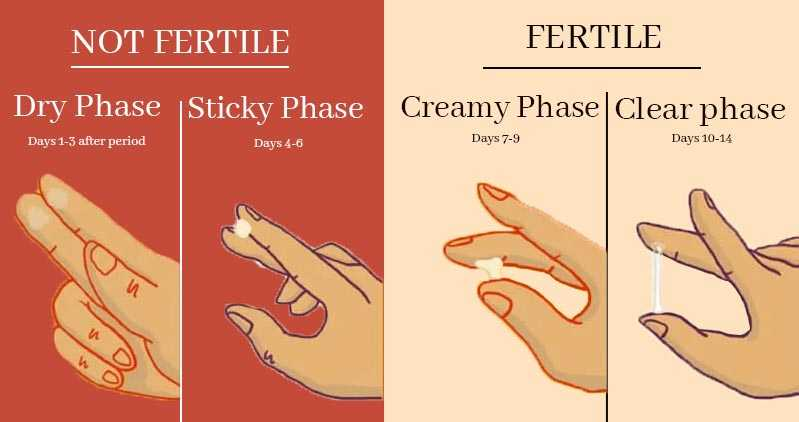
Cervical mucus is essential for fertility, as it varies in texture and appearance during the menstrual cycle. At the time of ovulation, cervical mucus transforms to a slippery, transparent, and elastic state, resembling raw egg whites. This alteration aids in the transportation of sperm through the cervix to reach the egg.
In the days leading up to ovulation, the mucus increases in quantity and becomes more favourable for sperm survival. After ovulation, cervical mucus typically becomes thicker and less hospitable to sperm, which can help prevent fertilization if conception does not occur.
Understanding cervical mucus patterns can be a useful tool for those tracking fertility for conception or natural family planning. Observing these changes can help identify the most fertile days in the cycle.
The characteristics of cervical mucus change throughout the menstrual cycle, influenced by hormonal fluctuations.
- Menstrual Phase: Little to no cervical mucus is present.
- Follicular Phase: As menstruation ends, some mucus begins to appear, often cloudy or sticky.
- Ovulation Phase: Just before ovulation, cervical mucus becomes clearer, thinner, and stretchy, resembling raw egg whites. This change helps sperm travel through the cervix to fertilize an egg.
- Luteal Phase: After ovulation, cervical mucus may become thicker and less abundant.
Tracking these changes in cervical mucus can provide insights into fertile windows and overall reproductive health.
Advice from AFRICAN HERBAL TEA CENTER on how to Improve Cervical Mucus Fertility?
Improving cervical mucus fertility can enhance your chances of conception. Here are several tips to help promote healthy cervical mucus:
Stay Hydrated: Drinking plenty of water can help maintain good overall body hydration, which is essential for producing fertile cervical mucus.
Eat a Balanced Diet: Focus on a diet rich in fruits, vegetables, whole grains, lean proteins, and healthy fats. Foods containing omega3 fatty acids (like fish, flaxseeds, and walnuts) can be beneficial.
Consider Healthy Fats: Incorporate sources of healthy fats, such as avocados, olive oil, and nuts, which can positively impact hormone production and mucus quality.
Limit Caffeine and Alcohol: Reducing your intake of caffeinated beverages and alcohol can help improve your overall reproductive health.
Manage Stress: High stress levels can interfere with hormonal balance, negatively affecting cervical mucus. Engaging in stress reducing activities like yoga, meditation, or regular exercise can be helpful.
Monitor Your Cycle: Keeping track of your menstrual cycle and cervical mucus changes can help you identify your fertile window and understand what works for your body.
Avoid Irritants: Stay away from synthetic lubricants and douches, as they can disrupt normal mucus production. If lubrication is needed, look for fertility friendly options.
Foods to improve your cervical mucus
Cervical mucus is a gel-like discharge from the cervix that varies in thickness and amount during your menstrual cycle. Learn how to improve the health and production of cervical mucus!
Read more about the vaginal microbiome.
Cervical mucus is most noticeable during ovulation, appearing thin and watery like egg whites. This type of mucus helps sperm move and stay healthy for fertilization. Thick or poor-quality mucus can hinder sperm from reaching the egg, affecting fertility. About 3% of subfertility cases are linked to cervical mucus issues, but certain foods can improve mucus health.
Read more about what to eat and avoid to maximise your fertility.
Foods rich in Omega-3s : How To Improve Cervical Mucus?
Research indicates that long-chain omega-3 fatty acids can enhance female fertility by improving the quality of cervical mucus and facilitating ovulation. Additionally, foods high in omega-3s contribute to hormone regulation, making their inclusion in your diet highly advantageous for cervical mucus health.
Examples of food rich in omega-3 fats include:
- Nuts
- Hemp seeds
- Flax seeds
- Chia seeds
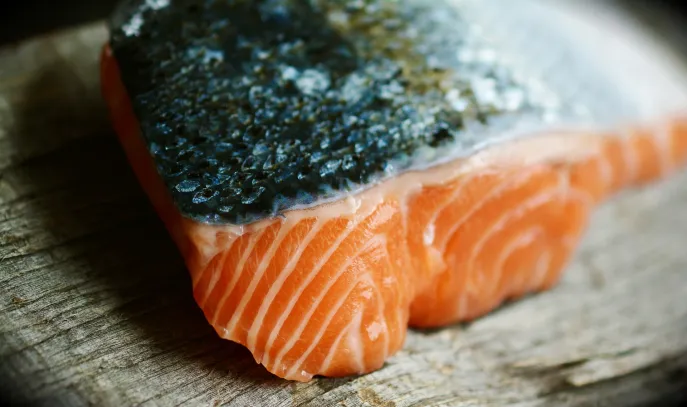
- Salmon
- Eggs (the yolk!)
- Sardines
Read more about natural treatment to get pregnant with myomas
Foods rich in vegetarian protein
Consuming a diet that includes a significant amount of vegetarian protein has been shown to enhance ovulatory fertility and the quality of vaginal mucus. Research indicates that obtaining 5% of your energy or caloric intake from vegetarian sources, rather than from animal proteins and carbohydrates, is associated with a 50% reduction in the risk of ovulatory infertility among women.
Foods rich in vegetable protein include:
- Tofu
- Tempeh
- Beans
- Lentils
- Edamame
- Whole grains
- Nuts and seeds
Dark green vegetables
Dark green leafy vegetables are essential for a healthy diet and help improve cervical mucus health. Spinach, broccoli, and bok choy are rich in zinc, potassium, iron, and other minerals, supporting overall health and fertility. They also aid sperm movement and are high in fiber, folate, Vitamins C and K, calcium, and antioxidants, all important for those trying to conceive.
Bonus – these vegetables are fabulous for sperm health, so get your man onto them too!
Foods rich in B Vitamins : How To Improve Cervical Mucus?
Estrogen changes the texture of cervical fluid, making it more able to support fertility .
B Vitamins play an essential role in supporting the production of estrogen in a woman’s body . Incorporating foods rich in these vitamins can benefit your cervical mucus.
Great sources of Vitamin B include:
- Whole grains
- Poultry
- Fish
- Eggs and dairy
- Legumes
- Nuts and seeds
- Dark, leafy vegetables (again!)
- Bananas
- Citrus fruits
Foods rich in Vitamin D : How To Improve Cervical Mucus?
Vitamin D also plays a key role in estrogen synthesis, making it essential for healthy cervical mucus !
Foods rich in Vitamin D include:
- Salmon
- Sardines
- Egg yolks
- Mushrooms

Water!
Although it is not classified as a food, water is crucial for maintaining the health of your cervical mucus. In fact, 96% of cervical mucus consists of water, which indicates that increasing your water intake is the simplest method to enhance its production. Additionally, water is vital for the transportation of hormones throughout your body and helps to thin cervical mucus, facilitating the movement of sperm towards their target.
