Description
Amenorrhea Home Remedies. Explore effective home remedies to help restore your menstrual cycle naturally and support hormonal balance.
Overview
Amenorrhea refers to the absence of menstrual periods. The causes may vary based on whether it is classified as primary or secondary amenorrhea.
What is amenorrhea?: Amenorrhea Home Remedies
Amenorrhea refers to the absence of menstrual periods. It is classified into two types: primary and secondary. Primary amenorrhea occurs when an individual over the age of 15 has not experienced their first menstrual period. Secondary amenorrhea is defined as the absence of menstruation for a duration exceeding three months.
How does menstruation work?
A complex system of hormones controls your menstrual cycle. Every cycle, these hormones prepare your uterus for a possible pregnancy. If there’s no pregnancy that cycle, you shed your uterine lining. That shedding is your period. There are many factors that can affect your period including issues with the following organs and structures:
- Hypothalamus: Controls your pituitary gland, which affects ovulation (releasing an egg).
- Ovaries: Store and produce the egg for ovulation and the hormones estrogen and progesterone.
- Uterus: Responds to the hormones by thickening your uterine lining. This lining sheds as your menstrual period if there’s no pregnancy.
What are the types of amenorrhea?
Primary amenorrhea
Primary amenorrhea is when you haven’t gotten your first period by age 15 or within five years of the first signs of puberty (such as developing breasts). It’s usually due to genetic conditions (conditions you’re born with) or acquired abnormalities (conditions that develop after birth).
Secondary amenorrhea
Secondary amenorrhea is when you’ve been getting regular periods, but you stop getting your period for at least three months, or your period stops for six months when they were previously irregular. Common reasons for this type of amenorrhea include:
- Pregnancy.
- Lactation.
- Stress.
- Having a chronic illness.
How common is amenorrhea?
About 1 in 4 women who aren’t pregnant, breastfeeding or going through menopause experience amenorrhea at some point in their lives.
Symptoms and Causes
What are the symptoms of amenorrhea?
The main symptom is the lack of periods. Other symptoms depend on the cause. You may experience:
- Hot flashes.
- Nipples leaking milk.
- Vaginal dryness.
- Headaches.
- Vision changes.
- Acne.
- Excess hair growth on your face and body.
How do you get amenorrhea? : Amenorrhea Home Remedies
The different types of amenorrhea have different causes. Some causes happen naturally on their own, while others may be a sign of a medical condition or problem.
Natural (or normal) reasons to miss your period include:
- Pregnancy (the most common cause of secondary amenorrhea).
- Breastfeeding (or lactation amenorrhea).
- Menopause.
- Having surgery to remove your uterus or ovaries.
Common causes of primary amenorrhea
Primary amenorrhea occurs when you haven’t had a period by 15 years old. Common causes include:
- Chromosomal or genetic problems that affect your reproductive system, such as Turner syndrome.
- Hormonal issues stemming from problems with your brain or pituitary gland.
- Structural problem with your organs, such as missing parts of your uterus or vagina or having an underdeveloped reproductive system.
Common causes of secondary amenorrhea
Secondary amenorrhea is when you miss your period for three or more months after previously having a normal period. Common causes include:
- Some birth control methods, such as Depo-Provera, intrauterine devices (IUDs) and certain birth control pills.
- Chemotherapy and radiation therapy for cancer.
- Previous uterine surgery with scarring (for example, if you had a dilation and curettage, often called D&C).
- Stress.
- Poor nutrition.
- Weight changes — extreme weight loss or gain.
- Extreme exercise routines.
- Certain medications.
The following medical conditions may also cause secondary amenorrhea:
- Primary ovarian insufficiency (POI), when your ovaries stop working before age 40.
- Hypothalamic amenorrhea, a condition where amenorrhea occurs due to an issue with your hypothalamus.
- Pituitary disorders, such as a benign pituitary tumor or excessive production of prolactin.
- Hormonal imbalances as a result of conditions like polycystic ovary syndrome, adrenal disorders or hypothyroidism.
- Ovarian tumors.
- Obesity.
- Ongoing illness or chronic illness (like kidney disease or inflammatory bowel disease).
TECHNICAL SHEET: Amenorrhea Home Remedies
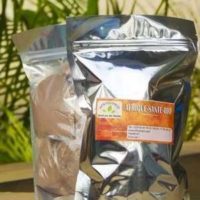
Presentation of Amenorrhea Home Remedies
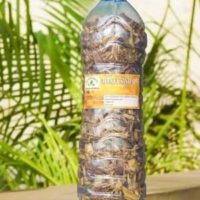
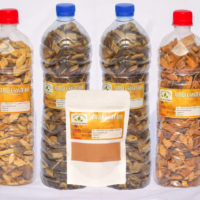
- -Powder in a sachet or jar of 50g
Composition of Amenorrhea Home Remedies
- Antiviral, antioxidant, depurative and diuretic plant extracts.
- Active ingredients: Natural solution to eliminate amenorrhea
- -Antiviral, anti-inflammatory, depurative, antioxidant tannins, etc…
Unit price: €30
Therapeutic effect: Amenorrhea Home Remedies
Our natural remedy is an excellent remedy to bring back periods. Herbal Tea 426: Amenorrhea Home Remedies is not an abortifacient and do not think about using it for abortion at all. This is not his job. The product stimulates the ovaries and regulates the menstrual cycle in the event of sudden cessation of periods before the ideal age.
If you need advice write to us here
Amenorrhea Lifestyle Changes
Maintain a healthy weight
Changes in your weight can affect your period. If you’re in a larger body, losing weight could help regulate your periods.
Alternatively, extreme weight loss or being underweight can cause irregular menstruation. That’s why it’s important to maintain a moderate weight.
People who menstruate and have obesity are also more likely to have irregular periods and experience heavier bleeding and pain. This is due to the impact that fat cells have on hormones and insulin.
If you want to lose weight, talk with your doctor. They can help you identify a target weight and come up with a strategy of how to get there.
Summary
Having more weight or less weight can cause irregular periods. If you want to maintain a moderate weight, you can talk with your doctor about exercise and nutrition plans.
Exercise regularly : Amenorrhea Home Remedies
Exercise has health benefits for periods, helping with weight control and is recommended for polycystic ovary syndrome (PCOS), which causes menstrual irregularity. It can reduce pain related to menstruation, but more research is needed on irregular cycles.
Spice things up with ginger : Amenorrhea Home Remedies
Ginger is commonly used as a home remedy for irregular periods, but there is no scientific proof that it works for this purpose. It may help relieve menstrual pain instead. A 2014 study found that daily ginger supplements can reduce heavy menstrual bleeding. Taking 750 to 2,000 mg of ginger powder in the first 3 or 4 days of a period can ease painful periods. Ginger may also relieve PMS symptoms when taken before a period.
Add some cinnamon
Cinnamon appears to be helpful for various menstrual issues. It may regulate menstrual cycles, reduce pain and bleeding, and even treat PCOS. Research shows it can relieve nausea and vomiting linked to primary dysmenorrhea.
Drink apple cider vinegar daily: Amenorrhea Home Remedies
Research from 2013 showed that drinking 0.53 oz (15 ml) of apple cider vinegar daily may restore ovulatory menstruation in women with PCOS. More research is needed to validate these results, as this study involved only seven participants.
Apple cider has a bitter taste, which may be difficult for some people to consume. If you want to try taking it but have a hard time with the flavor, you can try diluting it with water and adding a tablespoon of honey.
Eat pineapple
Pineapple is a popular home remedy for menstrual issues, claiming to soften the uterine lining and regulate periods, though this is not proven. Bromelain may help relieve some PMS symptoms, but evidence is limited.