Description
HIV And Lifestyle Changes. Discover how lifestyle changes can improve the lives of individuals living with HIV. Our natural product complements your treatment
DISCUSS WITH LADY FERANMI HERE
HIV And Lifestyle Changes
You can live a typical life while managing HIV. With your healthcare provider’s guidance and recommendations, you can take action to maintain the best possible health.
Discover how lifestyle changes can improve the lives of individuals living with HIV. Our natural product, crafted with care, supports the immune system, boosts energy levels, and complements your treatment journey.
Eat Healthy
The food you consume can alleviate the side effects of medication, assist in maintaining a healthy weight, and bolster your immune system. You are not required to independently determine a balanced diet. It is advisable to consult your doctor for a referral to a registered dietitian nutritionist who specializes in working with individuals living with HIV.
In general, you should eat more of these nutrient-rich foods:
- Fruits and vegetables
- Whole grains
- Lean meat
- Fatty fish
- Beans and lentils
- Nuts and seeds
You may need extra dietary supplements. But that’s something you should ask your doctor about. They can run some tests to find out if you’re low in certain nutrients. They’ll also let you know what’s safe to take with your medicine.
You’ll need to pay attention to food safety. That’s because HIV raises your odds of catching a food-related illness. Here are some tips to keep you healthy:
- Don’t eat raw eggs, meat, or seafood.
- Don’t drink out of any natural bodies of water.
- Don’t eat or drink unpasteurized dairy products.
- Don’t use the same cutting board for meat and produce.
- Rinse your fruits and vegetables well.
- Wash your hands with soap and water before you eat.
TECHNICAL SHEET Of HIV And Lifestyle Changes
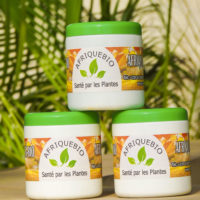
weight 50g
Compositions Plant extracts
Properties:
Immunoreconstituant, antioxidant, anti-inflammatory, analgesic, antiviral, cicatrisant, antiseptic, dietary supplement,
Active ingredients:
Saponide, flavonoids, sterols, micronutrients etc
Presentation :
Powder in a jar or sachets or capsules
Instructions for use:
Read the instructions
indications, lower immune defences, etc.
Side effects: None
Duration of treatment: One year renewable
Price 50 euros
READ MORE About HIV And Lifestyle Changes
Presentation
Powder in a sachet or 50g jar or capsule
Composition
Plant extracts
Active substances
Fagaricin, Fagaronine, vitamins, minerals, amino acids, anti-inflammatory, etc.
Price: 50 €
If you need advice write to us here
Therapeutic Effects About Living Healthy With HIV
Remedy 406: HIV And Lifestyle Changes rapidly restores the immune system and protects the body against degenerative diseases. This natural antiretroviral demonstrates effectiveness through biological parameters like viral load and CD4 count, measured before and after three months of consistent consumption.
Herbal Tea N° 406: HIV And Lifestyle Changes bolsters the body’s defences against foreign substances and pathogens, including bacteria, viruses, and yeast.
GET SUPPORT FOR ALL HIV PATIENTS
Work It: Live Healthy With HIV
Matthew Ebert expressed in late 2015, “I have not had the opportunity to write extensively about HIV recently. I am uncertain as to the reason. Perhaps it is because, due to my work commitments, I feel as though HIV is no longer a significant part of my life.” A stable job offers benefits beyond financial security.
The right employment can also enhance one’s well-being: it can foster a sense of purpose, which we previously discussed, and may even contribute positively to one’s health. Navigating employment while living with HIV can present challenges, particularly in the face of stigma and discrimination.
Nevertheless, it is important to note that discrimination against individuals with HIV is prohibited by law in the United States. There are numerous valuable resources available to assist those living with HIV in obtaining the necessary training and support to secure and maintain employment.
Click below to order clove oil
Take Your Medicine : HIV And Lifestyle Changes
HIV patients should be prescribed anti-retroviral therapy (ART), also known as highly active anti-retroviral therapy (HAART) or combined anti-retroviral therapy (cART), to reduce their viral load and reduce the risk of infection and transmission. ART should be started immediately after diagnosis and should be taken consistently. Side effects may occur, and doctors should be consulted.
Stay Up to Date on Your Vaccines
Vaccines are especially important for people who have HIV as the virus puts you at higher risk for infections or more serious complications of those infections. Ask your doctor which vaccines you need based on your age and your T-cell counts.
Stay Active : HIV And Lifestyle Changes
Regular physical activity boosts mood, lowers health risks like heart disease, high blood pressure, type 2 diabetes, and certain cancers, improves strength, reduces depression risk, supports the immune system, and aids sleep. Aim for 150-300 minutes of moderate exercise weekly.
Take Care of Your Mental Health
Stress, medication, and HIV can impact mood, making treatment difficult. Consult a doctor if experiencing mood issues, as emotional health is crucial, and treatment can alleviate symptoms.
Mental health care might include:
- Psychotherapy, such as cognitive behaviour therapy
- Group or family therapy
- Medication, such as antidepressants
- Mindfulness meditation
- Stress reduction techniques, such as deep breathing
Practice Good Oral Hygiene
A weak immune system leaves your whole body open to infections. That includes your mouth. You can get painful sores that make it hard to eat or take your medicine. Tell your doctor about any of these symptoms. Treatment can help.
Here are some other tips for good oral health:
- Go to the dentist regularly
- Brush and floss twice a day for 2 minutes
- Don’t smoke
- Stick with your HIV treatment
You’re less likely to have mouth problems when you’re on ART. But some HIV drugs can cause side effects, such as dry mouth. Tell your doctor if that happens to you. Lifestyle changes and medicine can help you make more saliva.
Quit Smoking
Cigarette smoking isn’t just bad for your oral health; it can make it harder for your HIV treatment to work. It also raises your odds of lots of other health problems, such as:
- Lung cancer and other cancers
- Bacterial pneumonia
- Heart disease and high blood pressure
- Chronic obstructive pulmonary disease (COPD)
Ask your doctor for help if you can’t stop on your own. There are many tools to help you quit. You may need nicotine replacement therapy, medication, or behavioural treatment. And don’t give up on your first try. Your odds of quitting go up with each attempt.
Don’t Misuse Drugs and Alcohol
It’s harder to stick to your treatment plan when you can’t think clearly. You may also make unsafe choices when you’re impaired.
Heavy use of alcohol and other drugs can also:
- Hurt your immune system
- Damage organs like your brain or liver
- Interact with your HIV medicine
- Make you less likely to take your medicine the right way
- Lead to poor nutrition
Practice Safer Sex
Abstinence is the only guaranteed method to prevent sexually transmitted infections (STIs), but many individuals find it unattainable due to personal circumstances.
If you have HIV, here are some steps you can take to protect your partner:
- Take ART
- Use condoms
- Have HIV-negative partners use PrEP (pre-exposure prophylaxis)
- Talk to HIV-negative partners about PEP (post-exposure prophylaxis)
HIV medicine can reduce viral load, resulting in an undetectable viral load, preventing transmission through sex. Consult a doctor for further understanding.