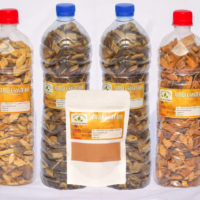
Description
Forestier’s Disease Natural Support .Manage Forestier’s disease naturally with herbal remedies, healthy diet, and lifestyle advice from AFRIQUE SANTÉ BIO.
Natural Solutions to Relieve Pain and Improve Mobility | Presented by AFRIQUE SANTÉ BIO
Introduction: Forestier’s Disease Natural Support
Forestier’s disease is a chronic condition that affects the spine and joints, causing stiffness, pain, and reduced flexibility. Many people discover this condition only when their back becomes increasingly rigid or when they struggle to move their neck freely.
This disease is medically known as Diffuse Idiopathic Skeletal Hyperostosis (DISH). It is characterized by abnormal calcification of ligaments and tendons, especially around the spine.
Although conventional medicine often focuses on pain management, natural approaches can help reduce inflammation, improve mobility, and support overall bone health.
At AFRIQUE SANTÉ BIO, we believe that combining natural herbal remedies, healthy nutrition, and lifestyle changes can help people manage this condition effectively.
In this article, Lady Feranmi explains:
- The definition of Forestier’s disease
- The causes and risk factors
- Prevention strategies
- Recommended diet
- Natural herbal solutions from AFRIQUE SANTÉ BIO
- Practical advice for long-term relief
What Is Forestier’s Disease?
Forestier’s disease is a skeletal disorder that causes the ligaments around the spine to become thick, calcified, and rigid.
Normally, ligaments are soft tissues that help maintain flexibility and support movement. In people with Forestier’s disease, these ligaments gradually turn into bone-like structures, creating large bone growths along the spine.
These bone formations are known as osteophytes, and they can lead to significant stiffness and discomfort.
The disease most often affects the thoracic spine (middle back) but can also involve:
- The cervical spine (neck)
- The lumbar spine (lower back)
- The hips
- The shoulders
- The knees
In severe cases, the bone growth near the neck may even cause difficulty swallowing or breathing problems.
Symptoms of Forestier’s Disease :Forestier’s Disease Natural Support
Forestier’s disease develops slowly, and symptoms may appear gradually over many years.
Common symptoms include:
Persistent Back Stiffness
Many people notice stiffness especially in the morning or after long periods of rest.
Reduced Flexibility
Bending or twisting the back becomes increasingly difficult.
Neck Pain and Limited Movement
The neck may become rigid due to ligament calcification.
Chronic Back Pain
Pain may vary from mild discomfort to severe stiffness.
Difficulty Swallowing
If bone growth occurs near the throat, swallowing may become uncomfortable.
Fatigue
Chronic pain and restricted movement can lead to fatigue and reduced quality of life.
Because the disease progresses slowly, many people may ignore the early signs until mobility becomes limited.
Causes and Risk Factors of Forestier’s Disease
The exact cause of Forestier’s disease remains unclear. However, several factors have been identified as contributing to the development of this condition.
1. Aging
The disease is most common in individuals over the age of 50. As we age, the ligaments naturally lose elasticity and become more prone to calcification.
2. Metabolic Disorders
People with metabolic conditions are at higher risk, including:
- Diabetes
- Obesity
- High cholesterol
- Insulin resistance
These conditions can promote abnormal bone formation.
3. Excess Calcium Deposition
In some individuals, the body deposits too much calcium in the ligaments, leading to hardening and bone formation.
4. Sedentary Lifestyle
Lack of physical activity can contribute to stiffness and poor joint flexibility.
5. Genetic Factors
Some individuals may inherit a predisposition to developing ligament calcification.
How to Prevent Forestier’s Disease
Although it may not always be possible to prevent the disease completely, certain lifestyle habits can significantly reduce the risk.
Maintain a Healthy Weight
Excess body weight increases stress on the spine and accelerates joint degeneration.
Stay Physically Active
Regular exercise helps keep ligaments flexible and prevents stiffness.
Recommended activities include:
- Walking
- Stretching
- Swimming
- Gentle yoga
Control Blood Sugar Levels
Managing diabetes or insulin resistance is essential for preventing abnormal bone growth.
Avoid Inflammatory Foods
Processed foods and excessive sugar can worsen inflammation in the body.
Drink Enough Water
Proper hydration helps maintain joint lubrication and tissue flexibility.
Best Diet for Forestier’s Disease:Forestier’s Disease Natural Support
A healthy diet plays a crucial role in reducing inflammation and supporting bone health.
Anti-Inflammatory Foods
Include foods that naturally fight inflammation:
- Turmeric
- Ginger
- Garlic
- Green leafy vegetables
- Olive oil
- Avocado
These foods help protect joints and reduce pain.
Magnesium-Rich Foods
Magnesium helps regulate calcium metabolism and prevents abnormal calcium deposits.
Good sources include:
- Almonds
- Pumpkin seeds
- Spinach
- Bananas
- Whole grains
Omega-3 Fatty Acids
Omega-3 fatty acids help reduce joint stiffness and inflammation.
Foods rich in Omega-3 include:
- Sardines
- Mackerel
- Flaxseeds
- Chia seeds
Fruits Rich in Antioxidants
Antioxidants protect the body from inflammation and tissue damage.
Recommended fruits include:
- Pineapple
- Papaya
- Orange
- Watermelon
- Berries
Foods to Avoid:Forestier’s Disease Natural Support
Certain foods can worsen inflammation and should be limited:
- Refined sugar
- Processed foods
- Excess red meat
- Alcohol
- Sugary drinks
Natural Herbal Solution from AFRIQUE SANTÉ BIO
At AFRIQUE SANTÉ BIO, natural medicine focuses on restoring balance in the body through powerful African medicinal plants.
The Forestier’s Disease Natural Support Program includes herbal remedies designed to:
- Reduce inflammation
- Improve joint flexibility
- Support bone health
- Promote detoxification
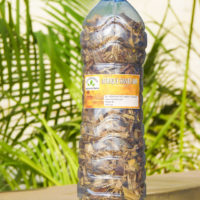
1. Anti-Inflammatory Herbal Tea
This herbal tea contains medicinal plants known for their anti-inflammatory properties.
Benefits include:
- Reducing joint pain
- Improving spinal flexibility
- Supporting circulation
- Helping the body eliminate toxins
2. Natural Detox Formula:Forestier’s Disease Natural Support
This formula helps cleanse the body and remove toxins that contribute to inflammation and metabolic imbalance.
Benefits include:
- Supporting liver detoxification
- Improving metabolic balance
- Promoting better digestion
3. Bone and Joint Support Formula
This herbal blend helps strengthen bones and regulate calcium metabolism.
Benefits include:
- Supporting healthy ligaments
- Improving joint mobility
- Preventing excessive calcium deposits
These natural remedies work best when combined with healthy nutrition and regular physical activity.
Price of the Natural Treatment Program
Forestier’s Disease Natural Support Program
Presented by AFRIQUE SANTÉ BIO
Price: 35,000 FCFA
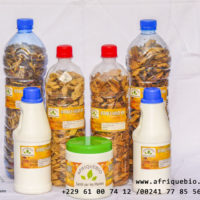
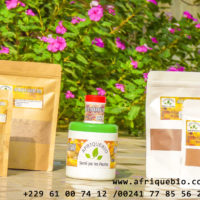
The program includes:
✔ Anti-inflammatory herbal tea
✔ Natural detox formula
✔ Bone and joint support herbal remedy
✔ Personalized natural health guidance
For orders or information:Forestier’s Disease Natural Support
📞 +229 61 00 74 12
📞 +229 01 57 97 50 33
Lady Feranmi’s Advice for People Living with Forestier’s Disease
According to Lady Feranmi, living with Forestier’s disease requires discipline and a commitment to healthy living.
Here are her key recommendations:
Move Your Body Daily:Forestier’s Disease Natural Support
Gentle exercises and stretching help maintain spinal flexibility and reduce stiffness.
Avoid Long Sitting Periods
If your work requires sitting for long hours, stand up and stretch regularly.
Drink Herbal Infusions
Natural herbal teas can help reduce inflammation and improve circulation.
Eat Natural Foods
Fresh fruits, vegetables, and whole grains nourish the body and support healing.
Maintain a Positive Mindset
Chronic pain can affect emotional well-being. Staying hopeful and proactive is an important part of the healing journey.
Lady Feranmi often reminds her audience:
“Nature contains powerful healing resources. When we return to natural living, the body finds balance again.”