Description
OVERVIEW
Nonalcoholic fatty liver disease (NAFLD) occurs when excess fat accumulates in the liver. While medications can help, dietary and lifestyle changes are among the most effective ways to manage the condition.
Fatty liver disease is categorized into two types: alcoholic and nonalcoholic. Alcoholic fatty liver disease results from excessive alcohol consumption, whereas NAFLD develops independently of alcohol use.
The exact cause of fat buildup in the liver remains unclear, but NAFLD is more common in individuals with:
-
Obesity
-
Type 2 diabetes
-
High cholesterol
-
High blood pressure
If you have NAFLD, it’s essential to be cautious with diets and supplements, as not all are beneficial for liver health. Always consult your doctor before trying alternative treatments.
So, what dietary and lifestyle changes can support liver health? Keep reading to find out.
READ MORE ABOUT LIVER CIRRHOSIS NATURAL TREATMENT
Lose Excess Weight
According to the American Association for the Study of Liver Diseases (AASLD), weight loss plays a crucial role in improving NAFLD and its symptoms.
The guidelines suggest that individuals with obesity and NAFLD should aim to lose 3–5% of their body weight to help reduce fat accumulation in the liver. A weight loss of 7–10% can further improve symptoms such as inflammation, fibrosis, and scarring.
For sustainable weight loss, it’s best to take gradual steps toward your goal rather than relying on extreme diets or fasting, which can be difficult to maintain and may strain the liver.
Before starting a weight loss program, consult your doctor to determine the best approach for your needs. A dietitian can also help create a personalized meal plan that supports your weight loss journey while ensuring proper nutrition.
Try the Mediterranean Diet
Research suggests that following the Mediterranean diet may help reduce liver fat, even without significant weight loss.
This diet is also beneficial for managing conditions commonly linked to NAFLD, such as:
-
High cholesterol
-
High blood pressure
-
Type 2 diabetes
Incorporating nutrient-rich foods like fruits, vegetables, whole grains, lean proteins, and healthy fats can support both liver health and overall well-being.
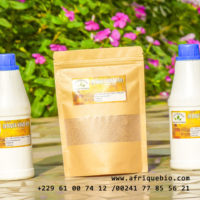
Technical Sheet of Fatty Liver Natural Remedies
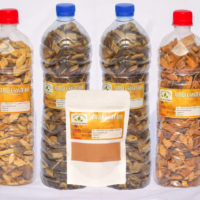
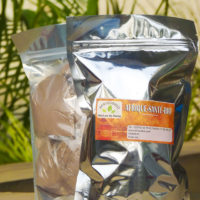
Presentation of Tisane 421: Fatty Liver Natural Remedies
– White powder in a transparent bag.
– Weight: 50g
Composition of Tisane 421: Fatty Liver Natural Remedies
Organic natural chitosan, Opuntia ficus indica, Aframomum meleguette
Active ingredients:
Dietary fibres and micronutrients: tannins, heteroside, fibres, amino acids, calcium, phosphorus, potassium, magnesium, iron, copper, zinc, manganese
Price: €30
Indications:
Fatty Liver,Intoxication, obesity, diabetes, Constipation, decalcification, internal wounds, worms, mycoses, chickenpox, shingles, gout, osteoarthritis, osteoporosis, etc.
Instructions for use:
Read the instructions
This eating plan focuses on a variety of plant-based foods and healthy fats. Here’s a brief overview of foods to focus on:
Fruits and vegetables : Fatty Liver Natural Remedies
Aim to eat a variety. Try adding more:
- berries
- apples
- oranges
- bananas
- dates
- figs
- melons
- leafy greens
- broccoli
- peppers
- sweet potatoes
- carrots
- squash
- cucumbers
- eggplant
- tomatoes
Legumes
Try to include:
- beans
- peas
- lentils
- pulses
- chickpeas
Healthy fats
Use healthy oils, such as extra virgin olive oil. High concentrations of healthy fats can also be found in:
- nuts
- seeds
- avocados
- olives
Fish and lean meats
Opt for fish twice per week. Eggs and lean poultry, like skinless chicken and turkey, are fine in moderation.
Whole grains
Consume unprocessed grains and cereals, such as:
- whole-wheat bread
- brown rice
- whole oats
- couscous
- whole-wheat pasta
- quinoa
Drink coffee : Fatty Liver Natural Remedies
According to research, coffee offers a number of protective benefits for the liver. In particular, it stimulates the production of liver enzymes believed to fight inflammation.
The same research reported that among people with NAFLD, regular coffee consumption reduces overall liver damage.
Two to three cups of coffee per day seems to be the amount that best lowers the risk of liver disease. Black coffee is the best option, as it doesn’t contain any added fat or sugar.
Because coffee contains caffeine, it’s always a good idea to be mindful of your consumption. If two or three cups make you feel jittery or anxious, it may not be the best option for you.
Get active
According to research from 2017, NAFLD is often associated with a sedentary lifestyle. In addition, inactivity is known to contribute to other conditions associated with NAFLD, including heart disease, type 2 diabetes, and obesity.
It’s important to stay active when you have NAFLD. According to the Physical Activity Guidelines for Americans Source, a good goal to shoot for is at least 150 minutes of moderate-intensity exercise per week.
That’s around 30 minutes, 5 days per week. You don’t necessarily have to play a sport or even go to the gym to get exercise, though. You can take a brisk 30-minute walk 5 days a week.
Or, if you’re pressed for time, you can even break it down into two brisk 15-minute walks 5 days a week.
To start exercising, try integrating moderate physical activity into your daily routine. Walk to the grocery store, walk the dog, play with your kids, or take the stairs instead of the elevator whenever you can.
If you’re interested in starting a new exercise routine, talk with your doctor about your best options.
Avoid foods with added sugars
Dietary sugars such as fructose and sucrose have been linked to the development of NAFLD. Research from 2017 describes how these sugars can contribute to fat buildup in the liver over time.
Major culprits include store-bought and commercially processed foods, such as:
- baked goods, like cakes, cookies, doughnuts, pastries, and pies
- candy
- ice cream
- sugary cereals
- soft drinks
- sports drinks
- energy drinks
- sweetened dairy products, like flavored yogurts
To identify whether a packaged food contains added sugar, read the ingredients list on the product packaging. Words that end in “ose,” including sucrose, fructose, and maltose, are sugars.
Other sugars commonly added to food products include:
- cane sugar
- high-fructose corn syrup
- corn sweetener
- fruit juice concentrate
- honey
- molasses
- syrup
Another way to tell how much sugar is in a food item is to read the nutrition facts label and to look at the number of grams of sugar that are in a serving for that item — the lower, the better.
Target high cholesterol
According to research, NAFLD can make it harder for your body to manage cholesterol on its own. This can worsen NAFLD and increase your risk of heart disease.
Try to limit your intake of certain types of fats to help manage your cholesterol and treat NAFLD. Fats to limit include:
- Saturated fats. These are found in red meats and full-fat dairy products.
- Trans fats. Trans fats are often found in processed baked goods, crackers, and fried foods.
Many of the lifestyle changes listed above — including losing weight, staying active, and adopting a Mediterranean diet — can also help you manage your cholesterol. Your doctor might also prescribe medication for high cholesterol.
Try an omega-3 supplement
While certain fats should be limited for overall health, other types of fats can actually be beneficial. Omega-3 fatty acids are polyunsaturated fats found in foods such as oily fish and some nuts and seeds. They’re known to have benefits for heart health and are often recommended for people with NAFLD.
ResearchTrusted Source suggests that taking an omega-3 supplement may reduce liver fat and improve cholesterol levels.
Talk with your doctor about how much you should take and if they believe the supplement route is better than the food route for you.
Avoid known liver irritants : Fatty Liver Natural Remedies
Certain substances can put excess stress on your liver. Some of these substances include alcohol, over-the-counter (OTC) medications, and some vitamins and supplements.
According to research from 2019Trusted Source, even moderate consumption of alcohol can lead to disease progression in individuals with NAFLD.
If you’re currently living with NAFLD, talk with your doctor or a pharmacist before taking any OTC medication, vitamins, or supplements, as many of them can affect your liver.
Investigate herbs and other natural remedies
A 2018 review of studies identified certain herbs and spices that have been used as alternative treatments for NAFLD. Compounds shown to have positive effects on liver health include:
- turmeric
- milk thistle
- green tea
- ginger
- garlic
Keep in mind that these aren’t approved medical treatments for NAFLD, and they may have side effects. It’s important to talk with your doctor before taking any herbs and supplements for NAFLD.