Description
Liver Cirrhosis Homes Remedies. Discover our exceptional product crafted from medicinal plants and leaves to cleanse your liver and alleviate cirrhosis.
Liver Cirrhosis Homes Remedies
Cirrhosis is a late-stage liver disease characterized by the replacement of healthy liver tissue with scar tissue, impairing the liver’s proper functioning. The liver plays a crucial role in filtering toxins, aiding digestion, and storing nutrients. However, as cirrhosis progresses, this vital organ can no longer effectively perform its essential functions. Common causes of cirrhosis include chronic alcohol consumption, viral infections like hepatitis B and C, and Non-Alcoholic Fatty Liver Disease (NAFLD). As the condition advances, the damage becomes irreversible, but early intervention can help slow its development.
Products & Services
Liver Cirrhosis Symptoms
Cirrhosis often has no symptoms until liver damage is severe. When symptoms do occur, they may include:
- Fatigue.
- Easily bleeding or bruising.
- Loss of appetite.
- Nausea.
- Swelling in the legs, feet or ankles, is called edema.
- Weight loss.
- Itchy skin.
- Yellow discolouration in the skin and eyes is called jaundice.
- Fluid accumulation in the abdomen, called ascites (uh-SAHY-teez).
- Spider-like blood vessels on the skin.
- Redness in the palms of the hands.
- Pale fingernails, especially the thumb and index finger.
- For women, the absence of or loss of periods is not related to menopause.
- For men, loss of sex drive, testicular shrinkage or breast enlargement, is known as gynecomastia.
- Confusion, drowsiness or slurred speech.
Technical Sheet of Liver Cirrhosis Homes Remedies
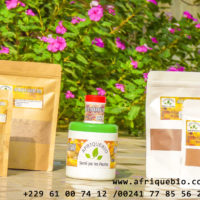
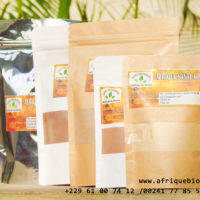
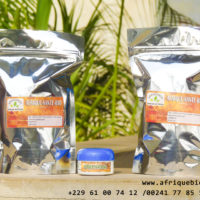
Presentation of Tisane 403: Liver Cirrhosis Homes Remedies
– White powder in a transparent bag.
– Weight: 50g
Composition of Tisane 403: Liver Cirrhosis Homes Remedies
Organic natural chitosan, Opuntia ficus indica, Aframomum meleguette
Active ingredients:
Dietary fibres and micronutrients: tannins, heteroside, fibres, amino acids, calcium, phosphorus, potassium, magnesium, iron, copper, zinc, manganese
Price: €30
Indications:
Intoxication, obesity, diabetes, Constipation, decalcification, internal wounds, worms, mycoses, chickenpox, shingles, gout, osteoarthritis, osteoporosis, etc.
Instructions for use:
Read the instructions
If you need advice write to us here
Liver Cirrhosis Causes
A wide range of diseases and conditions can damage the liver and lead to cirrhosis.
Some of the causes include:
- Long-term alcohol abuse.
- Ongoing viral hepatitis (hepatitis B, C and D).
- Hemochromatosis is a condition that causes iron buildup in the body.
- Autoimmune hepatitis is a liver disease caused by the body’s immune system.
- Destruction of the bile ducts caused by primary biliary cholangitis.
- Wilson’s disease is a condition in which copper accumulates in the liver.
- Cystic fibrosis.
- Alpha-1 antitrypsin deficiency.
- Poorly formed bile ducts, a condition known as biliary atresia.
- Inherited disorders of sugar metabolism, such as galactosemia or glycogen storage disease.
- Alagille syndrome is a genetic digestive disorder.
- Infection, such as syphilis or brucellosis.
- Medications, including methotrexate or isoniazid.
Click below to order clove oil
Risk factors
- Overindulgence in alcohol. High levels of alcohol intake are a significant risk factor for the development of cirrhosis.
- Obesity. Carrying excess weight heightens the likelihood of developing conditions that can contribute to cirrhosis, including nonalcoholic fatty liver disease and nonalcoholic steatohepatitis.
- Viral hepatitis. While not all individuals with chronic hepatitis will progress to cirrhosis, it remains one of the primary causes of liver disease globally.
Lifestyle changes for supporting Liver health
Here are a few lifestyle modifications that will lead you to achieve better liver health;
Keeping a Healthy Body Weight:
Maintaining an active lifestyle contributes to overall well-being and supports liver functionality. Regular physical exercise helps reduce the risk of developing fatty liver disease, improves metabolism, and facilitates weight management. It is recommended to engage in a minimum of 2.5 hours of moderate-intensity aerobic exercise per week, in addition to incorporating strength training routines.
Avoid drinking alcohol:
Excessive consumption of alcohol is regarded as the leading contributor to liver problems. The liver plays a crucial role in detoxification, processing and removing harmful substances from the body. When the concentration of these toxins exceeds the liver’s ability to manage them, it may lead to complications. Factors such as the amount of alcohol consumed, the frequency of consumption, the type of alcoholic beverage, and additional considerations are all important when seeking to alter this behavior.
Read more about hepatitis B Natural Treatment
Avoid toxins:
To promote optimal liver health, it is crucial to limit your exposure to environmental toxins. This entails exercising caution in relation to chemicals, pesticides, and tobacco smoke, as these can adversely affect liver cells. Always wear protective equipment when dealing with chemicals, and opt for organic and natural produce whenever possible to reduce exposure to harmful substances.
Hydration:
Proper hydration is crucial for liver health as it helps expel toxins that can harm liver function. Neglecting hydration can lead to toxic accumulations in the body and profound adverse effects on liver health. Drinking enough water daily, at least eight glasses, is recommended to prevent liver damage. You may always carry a water bottle with you.
Manage Stress:
The relationship between stress and liver health may not be immediately apparent, yet it is of considerable importance. Studies suggest that stress can adversely affect liver function and contribute to conditions such as liver cirrhosis and various other liver disorders. When we experience stress, our bodies release elevated amounts of stress hormones, including cortisol. This hormone can induce inflammation and oxidative stress within the liver, resulting in additional damage to liver cells. Such damage has the potential to cause lasting harm to the liver, impairing its ability to detoxify and carry out other essential functions. Consequently, it is vital to implement strategies to mitigate the signs of liver stress.
Regular Checkups:
In addition to a general health examination, a liver check-up every six to twelve months is recommended to stay aware of liver health. However, if you notice signs like liver pain, weight loss, or jaundice, you should consult a doctor immediately.
Adopting the aforementioned strategies for maintaining liver health can enhance the organ’s performance. It is important to note, however, that these suggestions are not substitutes for medical treatment. They may assist in the healing process, expedite recovery, or promote overall liver wellness. For any liver-related issues, it is essential to consult a qualified healthcare professional.
Home Remedies for Cirrhosis: Liver Cirrhosis Homes Remedies
The following natural remedies can help deal with cirrhosis of the liver and manage discomfort.
Consume milk thistle
Milk thistle seeds contain silymarin, a liver-protecting extract, used to treat liver problems like fatty liver disease, alcoholic liver disease, cirrhosis, and drug-induced injuries. Studies show silymarin may improve survival rates, particularly for those with alcoholic cirrhosis or less severe liver damage.
Some possible side effects of milk thistle include:
- Gastrointestinal issues such as nausea, diarrhoea, stomach discomfort, bloating, changes in bowel habits, or loss of appetite
- Headaches
- Itching, rash, hives, or eczema
- Feelings of weakness, fatigue, or difficulty sleeping
- Joint pain
- Nasal congestion and eye irritation
- Difficulties with sexual function
- Rarely, severe allergic reactions
Drink green tea
People who drink green tea have a lower chance of getting liver disease. Green tea drinkers also have a reduced risk of getting a specific type of liver cancer called hepatocellular carcinoma.
So, why not grab a cup of green tea and give your liver some extra love? It’s a tasty way to keep your liver happy and healthy!
Incorporate garlic and onion into your meals
Garlic and onion have demonstrated the ability to mitigate oxidative stress in the liver. Oxidative stress occurs when detrimental molecules inflict damage on cellular structures.
The synergistic effect of garlic and onion is more pronounced than when either ingredient is utilized independently. They contribute to the reduction of fat accumulation and enhance overall liver health.
Incorporate crushed garlic or finely chopped onion into your culinary preparations. These ingredients can be used in various dishes such as soups, stir-fries, sauces, and salads.
Add turmeric to your cooking
Turmeric, rich in curcumin, combats liver stress by releasing harmful chemicals, calming inflammation and preventing further damage. It also aids liver recovery by activating repair proteins. Add turmeric to cooking for added flavour.
Incorporate grape seeds into your diet
Grape skin and seeds, often discarded by wineries and juice makers, contain potent natural compounds.
Grape skin and seeds protect and heal the liver by restoring protein levels and reducing harmful substances. They reduce collagen buildup, preventing liver cirrhosis and failure. Grape seeds can be added to daily diets, mixed into smoothies, or taken as supplements.
Follow a diet rich in omega-3 fatty acids

Nonalcoholic fatty liver disease (NAFLD) is a global liver problem caused by excess fat, leading to cirrhosis and cancer. Studies suggest omega-3 fatty acid supplements can help reduce liver fat, found in fish, flaxseeds, and walnuts.
DISCUSS WITH A SPECIALIST HERE
Preventing the Progression of Liver Cirrhosis
To keep your liver cirrhosis from worsening, follow these simple steps:
- Completely avoid consuming alcohol and refrain from using any illicit drugs.
- Always talk to your doctor before taking any prescription medicines or over-the-counter drugs.
- Focus on eating a well-balanced, nutritious diet. A healthy diet supports liver health and aids in overall well-being.
- Avoid raw or undercooked seafood, fish, and meat
- Maintain a healthy body weight. Obesity and excess body fat can increase the strain on your liver and worsen cirrhosis.
- Speak with your doctor about your risk of developing liver cance