Description
Allergic Rhinitis Home Remedies.Learn natural ways to relieve sneezing, congestion, and runny nose with simple, safe treatments.
Allergic Rhinitis Home Remedies
What is Allergic Rhinitis?
This article is about hay fever, or allergic rhinitis. You can read about non-allergic rhinitis here.
Fast facts on hay fever
- Allergic rhinitis, often called hay fever, can cause sneezing, a stuffy or runny nose, watery eyes, and itching of the nose, eyes or the roof of the mouth.
- In the U.S., 20 million people aged 18 years and over were diagnosed with hay fever in 2016, or 8.2 percent of the adult population. Nine percent of children, or 6.1 million, received a diagnosis.
- Seasonal allergic rhinitis is more common in the spring, summer, and early fall.
- Symptoms are usually caused by allergic sensitivity to pollens from trees, grasses, or weeds, or to airborne mold spores.
- Treatment includes avoiding, eliminating, or decreasing exposure to allergens, medication, and immunotherapy, or allergy shots.
Symptoms
Hay fever is sometimes, but not always, related to pollen.
Symptoms can start at different times of the year, depending on what substance the patient is allergic to.
A person who is allergic to a common pollen will have more severe symptoms when the pollen count is high.
Common symptoms include:
- sneezing
- watery eyes
- itchy throat
- a blocked, itchy, or runny nose
Severe symptoms may include:
- sweats
- headaches
- loss of smell and taste
- facial pain caused by blocked sinuses
- itchiness spreading from the throat to the nose and ears
Some people may experience tiredness or fatigue, irritability, and insomnia.
People with asthma may experience more wheezing and breathlessness at times when hay fever symptoms are common.
Herbal Remedies for Allergic Rhinitis
Patients frequently reach out to us with inquiries regarding natural remedies for alleviating their allergy symptoms. In this blog, we will focus on two prevalent types of allergies that we commonly encounter in our Arizona practice and provide information on some herbal solutions that may offer relief.
It is important to note that this blog does not constitute medical advice. We cannot effectively address your specific condition or allergy without an in-person consultation or one of our thorough allergy assessments. We recommend discussing your concerns with your healthcare provider.
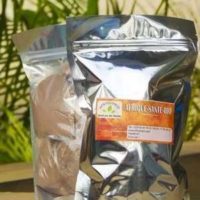
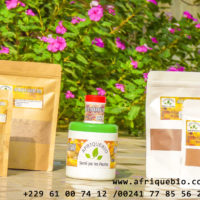
TECHNICAL SHEET Of Allergic Rhinitis Home Remedies
| Weight | 50g |
| Compositions | Essence of plants Anti-inflammatory, allergies, antibiotic, astringent, absorbent, immunoreconstituent |
| Indications | Sinusitis, Headache, Brain Cold, Sinus Problems |
| Properties | Anti-inflammatory, anti allergies, antibiotics, astringent, absorbent, depurative, immunoreconstituent, vasoconstrictor, decongestant. |
| Active ingredients | Essential oils. |
| Presentation | Liquid in a tube or powder |
| Manual | Read the leaflet |
| Directions | Sinusitis, headache, brain cold, sinus problem |
| Side effects | Sneezing to release the sinuses. |
| Duration of treatment | One month renewable |
| Price | 30 euros |
CONSULT OUR EXPERTS NOW
LEARN MORE About Allergic Rhinitis Home Remedies
Presentation
-Liquid in tube.
Composition
Essence of plants Anti-inflammatory, allergies, antibiotic, astringent, absorbent, immunoreconstituent
Active ingredients
– Essence of plants Anti-inflammatory, antibiotics etc.
Price: 30 €
Therapeutic Effects of Allergic Rhinitis Home Remedies
The herbal tea is rich in essential oils, which are anti-inflammatory, anti-allergenic, antibiotic, astringent, and immunoreconstitutive. This facilitates the detoxification and regeneration of the sinus lining in a short time. Moreover, it is easy to use.
Indications
Allergic Rhinitis, headache, brain cold, sinus problem
Manual :
Inhale the gas through the nostrils three times a day for two months of treatment. Healing is assured.
Discuss with Lady Feranmi HERE
Herbal Treatment Options for Allergies
Herbal treatments may offer a viable alternative for managing allergic rhinitis. When utilized appropriately, these natural remedies can alleviate allergic symptoms and potentially prevent their occurrence. Additionally, they have the capacity to enhance the strength of the body’s tissues and organs, contributing to overall health improvement. Below are some of the most effective herbs for addressing allergies and various respiratory conditions.
Stinging Nettle (Urtica dioica) : Allergic Rhinitis Home Remedies
Stinging nettle is a plant that can cause pain if touched but is also an effective herbal remedy for allergic rhinitis. It helps reduce allergy inflammation without side effects. Fresh nettles can be cooked and added to dishes, or used dried to make tea.
Perilla (Perilla frutescens)
This herb, part of the mint family, can help with allergic rhinitis symptoms. Studies show perilla is effective for nasal congestion, sinusitis, allergic asthma, and eye irritation. It also helps with skin conditions and has antidepressant effects that boost serotonin levels, improving mood and well-being.
READ ALSO ASTHMA NATURAL SOLUTION AND BEST DIET
Sea Buckthorn (Hippophae rhamnoides)
This plant grows into a shrub or small tree, known for its thorny, grey twigs and bright orange fruit. Sea buckthorn has over 190 nutrients and phytonutrients. It’s rich in organic acids, tannins, vitamins A, E, C, and B, plus superoxide dismutase (SOD). It supports respiratory health and is good for those with respiratory issues. Choose sea buckthorn products from reputable companies.
Discuss with Lady Feranmi HERE
Butterbur (Petasites hybridus)
The butterbur shrub grows in the marshes of North America, Europe, and Asia. People have used it traditionally for the treatment of pain, headaches, fevers, and digestive ailments. More recently, it has also been used for urinary tract infections, headaches, including migraines, as well as for the treatment of hay fever. Butterbur has also been the object of scientific study with promising results. One such study found that this herb works similarly to Zyrtex, a prescription allergy medication. Butterbur products contain extracts from the root, rhizome, or leaves. You should not use this herb in its raw form since it contains certain alkaloids (PAs) that are harmful to humans. Always opt for products labeled as PA-free.
Ginger (Zingiber officinale)
Ginger is a safe and highly effective herb. Apart from its culinary uses, it is very beneficial to your overall health, since it soothes the digestive system and improves circulation. Ginger works as a natural antihistamine, potent antiviral agent, and immune booster. Try some ginger tea to alleviate nasal congestion and headaches. While you sip your tea, inhale the steam coming out of your cup. You can find ginger commercially in fresh and dried form. You can also pair it with other herbs, such as turmeric, which is another powerful natural healer.
Yarrow (Achillea millefolium) : Allergic Rhinitis Home Remedies
Yarrow is a herb that grows in the British Isles and is also found in Europe and Asia. It has various properties, including antiseptic and anti-inflammatory. Traditionally, yarrow treats colds, flu, and fevers, and helps with allergies. It can be consumed as a tea or tincture but should not be taken for more than two weeks. Avoid it if allergic to ragweed.
Natural Plants can be Effective Medicine: Allergic Rhinitis Home Remedies
Herbal remedies may help with allergic rhinitis and other respiratory issues, potentially boosting immunity and preventing allergic reactions when used wisely. Consult a specialist before trying new treatments. Herbs are natural medicine and should be treated with care regarding dosage and contraindications. For allergy help, call +2267546677 for an appointment.