Description
Chlamydia Bacterial Infection Treatment.Chlamydia treatment made easy: explore powerful natural remedies, herbal solutions, and lifestyle tips for recovery.
Overview
What is chlamydia?
Chlamydia is a common sexually transmitted infection (STI) that is caused by bacteria.
It can be treated and cured if you get help early. But sometimes, people don’t notice any symptoms. That’s why it’s important to get tested and treated as soon as possible. If left alone, chlamydia can cause serious health problems and damage your reproductive system.
How does chlamydia spread?
A person with chlamydia can pass it to their partner through sexual activities like intercourse, anal sex, or oral sex.
It can also spread if someone shares sex toys with a person who has the infection.
Can you get chlamydia without having sex?
Yes.
Chlamydia isn’t just passed through sex. It can also spread through shared sex toys.
Who can get chlamydia?
Anyone who is sexually active can get chlamydia.
The infection spreads through fluids like vaginal or semen. This means anyone who has sex could get infected and pass it to others. If a woman is pregnant and has chlamydia, she can give it to her baby.
TRICHOMONAS VAGINALIS NATURAL TREATMENT
How common is chlamydia?
Chlamydia is the most common bacterial STI.
About 1.5 million cases are reported each year. However, the real number is probably higher because many people don’t show symptoms and don’t get tested.
Some people are more likely to get chlamydia.
These include:
– Teens and young adults aged 15 to 24.
More than half of the chlamydia cases in the U.S. are in this group. Women are more likely to get it than men. For this reason, doctors often suggest testing for people in this age range.
– Men who have sex with men.
Chlamydia is more common in this group compared to men who have sex with women.
– Non–Hispanic Black people.
Chlamydia rates are higher in this group as well.
The reason some groups have higher infection rates isn’t always because of their sexual behavior.
It’s often due to other factors like limited access to healthcare, sex education, or prevention tools like condoms and dental dams. Chlamydia spreads more easily in communities with higher rates of infection.
Testing for chlamydia is recommended by the Centers for Disease Control and Prevention (CDC) as part of regular health checkups.
Symptoms and Causes
How do you get chlamydia?
Chlamydia spreads through sexual contact when the bacteria in vaginal fluids or semen move from one person to another.
This can happen through any type of sexual activity, including those that don’t involve penetration or ejaculation. The bacteria can be spread in many ways:
– Intercourse: Bacteria travel from one person’s penis to another’s vagina or vice versa.
– Anal sex: Bacteria move from one person’s penis to their partner’s anus or vice versa.
– Oral sex: Bacteria can pass from one person’s mouth to another’s penis, vagina, or anus, or back.
– Using sex toys: Bacteria can spread from a toy to someone’s mouth, penis, vagina, or anus.
– Manual sex: If someone touches an infected area and then touches their eye without washing their hands, they can get pink eye.
This is less common but still possible.
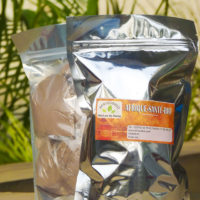
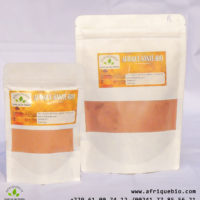
Remedy 210 is a product made from antibacterial herbs that work against Chlamydia infections. It is effective even for stubborn infections. It is an organic antibiotic that works against a wide range of bacteria. And a good natural remedy.
TECHNICAL DATA of Chlamydia Bacterial Infection Treatment
Weight: 50 grams
Composition: Organicplant extracts
Properties: Antibacterial and antifungal
Active ingredients: Tannins, heterosides, sterols, oligo–elements, and others
Presentation: Powder in a jar or sachet
Indications: Chlamydia bacterial infections
Directions for use: Read the instructions carefully
Side effects: Some people may experience a bitter taste
Duration of treatment: 21 days with four teas per day
Price: 30 euros
READ MORE about Remedy 210: Chlamydia bacterial infection
Note: Remedy 210 helps fight Chlamydia infections, and also helps to heal the internal channels and mucous membranes.
Understanding the disease : Chlamydia Bacterial Infection Treatment
In natural medicine, especially African medicine, there is a focus on cleansing the body and improving health from the inside out.
A good remedy includes not only plants that target the specific illness but also cleansing plants that help the body get rid of toxins and dead or weakened microbes. Many long–term health issues can be addressed this way.
This powder is rich in active ingredients that have been proven to fight Chlamydia.
It also includes diuretic and cleansing elements that help remove the destroyed microbes and clean the affected areas.
Indications
– Bacterial infections caused by Chlamydia
Directions for use: Read the instructions carefully
Method: Boil one tablespoon of the powder in one liter of water, let it cool and then filter it.
Store in a cool place. Drink half a glass, three times a day, for four weeks of treatment. Repeat the test after the treatment.
What doesn’t cause chlamydia? : Chlamydia Bacterial Infection Treatment
Not every situation where body fluids are shared or there is intimacy leads to chlamydia.
You can’t get chlamydia from:
- Kissing
- Sharing food or drinks.
- Hugging or holding hands.
- Using a toilet after someone else.
- Breathing in droplets from someone coughing or sneezing.
How long can you have chlamydia without knowing?
Chlamydia is sometimes called a silent infection because about 50% to 70% of people who have it don’t notice any symptoms, no matter their sex.
If someone does notice symptoms, they might not recognize them right away.
These symptoms can show up a few weeks after infection. Because chlamydia often doesn’t have symptoms, it’s easy to pass it on without knowing. And it’s also easy to miss out on treatment, which can lead to serious problems.
Can you tell how long you’ve had chlamydia?
For most people, symptoms of chlamydia appear between one week and three months after having unprotected sex.
But sometimes it can take longer than three months. A healthcare provider can tell more about the infection when they diagnose it. For example, they might find out if the infection has spread to your fallopian tubes or testicles. It’s very important to get regular STI testing if you are sexually active because you may not know you have an infection.
What are the symptoms of chlamydia?
If you do notice symptoms, they can vary depending on whether you have a penis or vagina.
Chlamydia spreads easily because most people don’t feel any symptoms.
When symptoms do happen, they might include pain when you urinate and an unusual discharge.
Signs of chlamydia in females
- Chlamydia bacteria often cause symptoms similar to cervicitis or a urinary tract infection (UTI).
You might notice: - A white, yellow, or gray discharge from your vagina that may have a bad smell.
- Pus in your urine (pyuria).
- A stronger need to urinate.
- Pain or a burning feeling when you urinate (dysuria).
- Bleeding between periods.
- Painful periods.
- Painful sex (dyspareunia).
- Itching or burning in and around your vagina.
- A dull ache in your lower abdomen.
Signs of chlamydia in males : Chlamydia Bacterial Infection Treatment
Chlamydia bacteria usually infect your urethra, causing symptoms similar to nongonococcal urethritis.
You might notice:
A mucus–like or clear, watery discharge from your penis.
Pain or a burning feeling when you urinate (dysuria).
Other signs of chlamydia : Chlamydia Bacterial Infection Treatment
Chlamydia can affect parts of your body other than your reproductive system, including your:
Anus.
You might feel pain, discomfort, bleeding, or a mucus–like discharge from your bottom.
Throat.
You might have a sore throat, but you might not notice any symptoms if the bacteria are in your throat.
Eyes.
If *C. trachomatis* bacteria enter your eye, you might get conjunctivitis. Symptoms include redness, pain, and discharge.
See your healthcare provider right away if you notice any of these symptoms.
What are the first symptoms of chlamydia?
Most people who have chlamydia don’t feel any symptoms.
But an unusual discharge from your vagina or penis could be a sign. Pain, bleeding, or discharge from your bottom can also be signs of chlamydia.
Prevention: Chlamydia Bacterial Infection Treatment
How can I protect myself from chlamydia?
The best way to avoid getting chlamydia is to not have vaginal, anal, or oral sex with someone who has the infection.
Also, make sure that any sex toys that might have the bacteria don’t touch your genitals.
It’s not always easy to know if a current or potential partner has chlamydia, especially since many people don’t have any symptoms.
To help prevent infection, it’s important to make safer sex habits a regular part of your sexual activity:
- Use condoms during vaginal, anal, or oral sex.
- Use dental dams during oral sex or when having sex between two women.
- Don’t share sex toys, but if you do, clean them after each use.
Also, cover toys used for penetration with a condom.
Only have sex with one partner who only has sex with you.
Living With: Chlamydia Bacterial Infection Treatment
When should I see my healthcare provider?
It’s important to be proactive when it comes to chlamydia.
Talk to your healthcare provider about your risk of infection. Follow their advice on how often to get tested for STIs. Make an appointment with your healthcare provider if your partner has chlamydia or if you start to notice any signs or symptoms of an infection.