Description
Psoriasis Home Remedies. Explore our premier product designed to swiftly remove plaque and inhibit the development of crusts in patients.
Psoriasis Home Remedies
Psoriasis is a persistent inflammatory skin disorder that presents considerable difficulties for those who suffer from it. It is marked by the development of red, inflamed patches that may display white or red scales or crusts, which can vary based on the individual’s skin type. This condition can impact any part of the body, including the elbows, extremities, nails, scalp, and skin folds. The emergence of psoriasis appears to result from a complex interaction between genetic predispositions and environmental influences, frequently arising in individuals whose health is adversely affected by stress or an unhealthy lifestyle.
I assert that a compromised physiological state acts as a significant trigger for the development of various diseases. While the pathogens linked to these conditions may exist, psoriasis will not occur without additional factors such as stress, obesity, infections, diminished immune response, substance misuse, poor nutrition, and exposure to specific medications or chemicals.
Read more about Lupus Natural Treatment
OUR PRODUCT
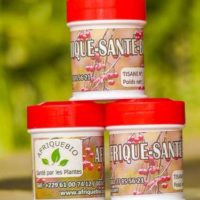
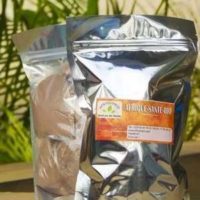
Remedy 394:Psoriasis Home Remedies. Our natural remedy is an antifungal product that eliminates plaque quickly and prevents the formation of crusts but the patient must review his lifestyle and adopt a healthy lifestyle.
TECHNICAL SHEET OF Psoriasis Home Remedies
weight:50g
Compositions: Organic plant extracts
Active ingredients: Tannins, glycosides, fungicides
Presentation: Soap in a jar
Indications: Psoriasis, eczema, acne, etc.
User manual External classic use
Side effects: none
Unit price:30€
Duration of treatment One month renewable if necessary.
Therapeutic Effects of Psoriasis Home Remedies
Remedy 394: Home Remedies for Psoriasis. Our natural solution is an antifungal formulation that rapidly removes plaques and prevents crust formation; however, the patient needs to evaluate and embrace a healthier lifestyle. This product acts as a preventive strategy, hindering plaque development and delivering robust protection for the skin. It serves as an outstanding treatment for psoriasis, providing both therapeutic and preventive advantages.
Manual: Psoriasis Home Remedies
– Simply pass on the sick parts.
Good remedy for psoriasis and other skin diseases. Please discover the cure that cures the disease.
Foods to Avoid With Psoriasis: Psoriasis Home Remedies
Numerous high-calorie foods that contribute to weight gain and elevate the risk of obesity, diabetes, and heart disease are also known to be inflammatory. Various categories of inflammatory foods can exacerbate the symptoms of psoriasis.
Alcohol
Excessive consumption of alcohol places significant strain on the liver, necessitating the production of various chemicals to metabolize the alcohol. This process can result in chronic inflammation, particularly for individuals who engage in heavy or regular drinking. Furthermore, alcohol has the potential to harm beneficial bacteria in the gut, which may contribute to inflammation in the colon and intestines.
READ MORE ABOUT HEPATITIS B NATURAL TREATMENT
Dairy
Dairy products, high in fat and containing casein, can cause inflammation and gastrointestinal irritation in lactose-intolerant individuals. Cutting dairy from diets can improve psoriasis symptoms.
Foods containing refined carbohydrates
Refined carbohydrates are highly processed (think white bread, white rice, pasta, pastries and some breakfast cereals). They’ve been stripped of fibre and whole grains and tend to contain a lot of sugar, which can cause your blood sugar to spike. Refined carbohydrates also increase advanced glycation end products, which are substances in your blood that can lead to inflammation.
Foods with saturated fats and trans fats
Fats in red meat, cheese, fried food, margarine, fast food and many processed snacks are known to trigger inflammation in the body. These fats increase the amount of low-density lipoprotein (LDL) in your blood, also called “bad cholesterol.” Studies suggest there may be a link between excess fat in the body and the development of psoriasis and worsening of psoriasis symptoms.
Foods high in added sugar
Added sugars in soda, fruit juices, candy, baked goods and other sweets are different from natural sugars in food such as fruit. Our bodies produce insulin to process sugar, but too much added sugar forces our bodies to store that extra energy in fat cells and inflame the fat tissue. Foods with lots of added sugars can also lead to increased levels of inflammatory proteins called cytokines. Some studies suggest that artificial sweeteners such as aspartame may also lead to chronic inflammation.
Foods that contain gluten
Research suggests that people with psoriasis tend to have higher rates of celiac disease. In people with celiac disease, gluten (a protein in wheat and some other grains) triggers an autoimmune response that causes the body to attack tissues in the small intestine. People with celiac disease need to avoid gluten completely, though some people without the disease have found that reducing gluten in their diet lessens psoriasis flare-ups.
How can you measure inflammation in the body?
While certain foods are known to cause inflammation, not everyone reacts the same way to these foods. “I’ve had some patients who felt that wheat was making their psoriasis worse. Another patient noticed more flare-ups when she ate nuts,” says Wesdock.
Some tests can measure inflammation with biomarkers, which are substances in your blood that spike when your body reacts a certain way to foods such as fats or sugar. For example, a simple test can check for increased levels of C-reactive protein (CRP) in your blood. The liver makes extra CRP if there’s inflammation in your body. Doctors might use this test to determine how likely you are to develop a chronic condition like heart disease.
As you adjust your diet to ease psoriasis symptoms, be sure to work with your psoriasis doctor to monitor symptoms and inflammation levels.
Foods to Eat if You Have Psoriasis
Just as some foods trigger inflammation, others can help combat inflammation. In general, having a balanced whole-food diet is the best approach to reducing inflammation throughout the body. It may reduce psoriasis flare-ups or make your symptoms less severe. Following a Mediterranean diet for psoriatic arthritis or psoriasis can also reduce chronic inflammation that contributes to heart disease, type 2 diabetes, cancer and other conditions.
The best foods if you have psoriasis include:
- Fish, lean protein or plant-based proteins such as tofu or tempeh
- Fruits and vegetables
- Legumes (beans and lentils)
- Nuts and seeds
- Olive oil
- Small amounts of low-fat dairy
- Whole grains
There’s no evidence that vitamins or supplements help ease psoriasis symptoms. The best way to get all the vitamins and minerals you need is from the foods you eat. But it’s generally safe to take a daily multivitamin. Talk to your doctor or a registered dietitian about other supplements that might be right for your needs.
Read more about hepatitis B natural treatment
How can I get started with a psoriasis diet?
If you’re going to change your diet to combat psoriasis, Wesdock recommends starting slowly. Jumping into a highly restrictive diet isn’t usually sustainable and may deprive you of important nutrients. Instead, start by cutting out some highly processed foods.
Substitute the pastries and cookies with fresh fruit. Opt for herbal tea or water flavoured with fresh fruit, mint or cucumber. If you think there’s a specific food or ingredient that’s triggering psoriasis flare-ups, talk to your doctor or a registered dietitian.
Being overweight or obese can also make psoriasis worse, so you may want to start a weight loss plan that includes fewer calories and smaller portion sizes. Any psoriasis treatment diet should be accompanied by healthy lifestyle choices. Get plenty of sleep and regular exercise, and try to reduce stress in your life. If you smoke, talk to your doctor about a plan to quit.
Psoriasis Lifestyle
Sunlight
Sunlight functions similarly to medical ultraviolet (UV) light therapy in enhancing the condition of psoriasis. However, exposure to the sun carries certain risks, such as sunburn, skin damage, and an increased risk of cancer if protective measures are not taken.
To ensure safer exposure to sunlight, consider the following recommendations:
- Apply sunscreen when exposed to direct sunlight.
- Steer clear of peak sunlight hours.
- Utilize a hat and sunglasses for added protection.
Certain medications may induce photosensitivity, increasing the likelihood of sunburn while being administered. In such instances, sunlight therapy may not be advisable. It is important to consult with a healthcare professional regarding safe practices for sun exposure.
DISCUSS WITH LADY FERANMI HERE
Capsaicin
Capsaicin is the active compound responsible for the heat in chilli peppers. This substance is incorporated into topical creams and pharmaceutical products that alleviate pain by inhibiting nerve endings. Additionally, it may help diminish redness and swelling linked to psoriasis. However, certain individuals may experience a burning sensation upon application of capsaicin. It is advisable to test it on a small area of unaffected skin initially to confirm that no adverse reaction occurs.
Oregon Grape
Oregon grape is recognized for its antimicrobial properties and its role in enhancing immune response. A cream containing 10% Oregon grape can be utilized for the treatment of psoriasis. It is essential to use this herb topically only under the supervision of a healthcare professional.
Stress Relief
Stress and psoriasis are related. In one study, 31% to 88% of people reported stress as a trigger for their flare-ups.7 People with stressful events in the prior year saw a higher incidence of psoriasis, causing researchers to speculate that stress may even play a role in the onset of the disease in predisposed people.
Specific mind-body therapies may help reduce stress, including:8
- Meditation
- Mindfulness
- Hypnotherapy
- Biofeedback (using sensors to gain control over bodily functions)
- Guided imagery