Description
Endometriosis Natural Treatment Diet. We offer the best natural treatment to get rid of endometriosis in a few month. Effective and affordable price.
Endometriosis Natural Treatment Diet
OVERVIEW
Endometriosis is a chronic, noncancerous condition where cells that resemble the uterus lining, called endometrial cells, grow outside the uterus. The tissue that lines the uterus is called the endometrium. This is where the condition’s name comes from.
According to estimates from the Endometriosis Foundation of America, in the United States, this condition impacts 1 in 10 women during their reproductive years. Endometriosis is frequently a painful condition that primarily occurs in the pelvic region. While it is not impossible, it is uncommon for this tissue to extend beyond the fallopian tubes, ovaries, and the tissues that line the pelvic area.
The symptoms of this condition tend to be worse around menstruation periods. Signs and symptoms include:
- pelvic pain
- increased pain during periods and intercourse
- pain with bowel movements and urination
- heavy periods, or bleeding between periods
- fatigue
- diarrhea
- bloating
- constipation
- low back pain
- intense cramping
If endometriosis is left untreated, it may lead to infertility.
There’s a slight increased risk of ovarian cancer or adenocarcinoma in people with a history of endometriosis. However, The Lancet reports the risk still remains low over a lifetime and doesn’t necessitate a rush to radical treatment.
There’s currently no cure for this condition, but it can be managed with comprehensive care. Care should include both a pain management plan and a healthy lifestyle with good nutrition and exercise.
Read on to learn more about how your diet may help if you have endometriosis.
TECHNICAL SHEET OF Endometriosis Natural Treatment Diet
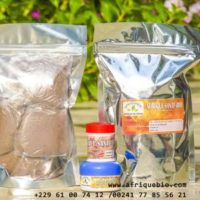
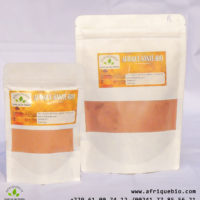
weight: 50g
Compositions : Plant extracts
Properties: Calming, immunoreconstituant, antioxidant, etc.
Active ingredients : – Soothing, immunoreconstituant, antioxidant, etc.
Presentation : Powder in a jar sachet or capsule
Instructions for use : Read the instructions
Indications : Endometriosis, painful and irregular rules, etc.
Side effects : None
Duration of treatment Six months renewable
Price 50 euros
READ MORE
Therapeutic effects Of Endometriosis Natural Treatment Diet
Herbal Tea No. 425 serves as a natural treatment for endometriosis, featuring a sophisticated blend of plants abundant in phytosterols. It possesses anti-inflammatory, soothing, and potent cleansing properties. This aids in facilitating the smooth movement of misplaced endometrial cells and inhibits the development of new cells. Although the treatment duration is extended, it proves to be effective over time, necessitating patience.
Foods that may negatively affect endometriosis
If endometriosis is left untreated, it may lead to infertility. Certain lifestyle choices can affect the progression of endometriosis and increase the risk of developing it. These choices also influence how painful or well-managed the disorder is. Factors that may negatively impact endometriosis include a diet high in trans fat, high red meat consumption, gluten, and high-FODMAP foods. Eliminating gluten and following a low-FODMAP diet may improve symptoms in some individuals.
Foods that can influence hormone regulation, particularly estrogen balance, can negatively affect those with endometriosis. In addition, avoid or limit foods that may promote inflammation in the body and lead to further pain or progression of the disorder. These foods include:
- alcohol
- caffeine
- gluten
- red meat
- saturated and trans fat
Foods that may positively affect endometriosis
To combat inflammation and discomfort associated with endometriosis, it is advisable to adopt a nutrient-rich, well-rounded diet that is predominantly plant-based and abundant in vitamins and minerals. Consider incorporating the following into your diet:
- fibrous foods, such as fruits, vegetables, legumes, and whole grains
- iron-rich foods, such as dark leafy greens, broccoli, beans, fortified grains, nuts, and seeds
- foods rich in essential fatty acids, such as salmon, sardines, herring, trout, walnuts, chia, and flax seeds
- antioxidant-rich foods found in colorful fruits and vegetables, such as oranges, berries, dark chocolate, spinach, and beets
Pay attention to your body’s reactions to foods. Keeping a journal of what you eat and any symptoms may help. Consider meeting a registered dietitian for personalized meal planning.
Supplements that may help
In addition to eating a healthy diet, supplements may help. A small study with 59 women who have endometriosis showed that taking 1,200 IU of vitamin E and 1,000 IU of vitamin C reduced chronic pelvic pain and inflammation. Another study found that zinc and vitamins A, C, and E also helped decrease oxidative stress in women with endometriosis. Curcumin, an anti-inflammatory substance in turmeric, may aid in managing endometriosis by inhibiting estradiol production. A larger study revealed that women with higher vitamin D and dairy intake had lower endometriosis rates. Calcium and magnesium from foods or supplements may also be helpful.
Exercise and alternative therapies
Exercise may help with the management of endometriosis, too. This is because exercise can reduce estrogen levels and release “feel-good” hormones.
In addition to conventional methods of treatment, alternative treatments may be very helpful for women with endometriosis. For example, relaxation techniques may be beneficial. These can include:
- meditation
- yoga
- acupuncture
- massage
The takeaway
Further investigation is required to understand how lifestyle modifications can alleviate the symptoms of endometriosis. It is advisable to consult with your physician and collaborate with a dietitian to develop the most effective management strategy for your condition. Since each individual’s body is unique, a personalized plan that addresses your specific requirements will yield the best results.