Description
Breast Cancer Prevention Food .Protect your health with nature’s best breast cancer-fighting foods. Find out what to eat to help reduce your risk.
Breast Cancer Meaning: Breast Cancer Prevention Food
Cancer is defined as the uncontrolled growth of abnormal cells that invade and spread into surrounding healthy tissues. Cancer cells can detach and spread to other parts of the body, forming secondary tumours called “metastases. »
If you need advice write to us here
The causes of cancer: Breast Cancer Prevention Food
Cancer is a complex disease influenced by lifestyle, environment, and genetics. Preventable factors include smoking, inactivity, alcohol use, and poor diet. Environmental risks like sun exposure and infections, along with genetic factors, also contribute. Age and sex are non-preventable risks.
Breast Cancer Prevention Food
Certain fruits and vegetables, fatty fish, fermented foods, beans, herbs and spices, whole grains, and walnuts can help reduce your risk of breast cancer. Avoid alcohol, fast food, fried foods, processed meats, added sugar, and refined carbs.
Breast cancer may result from DNA damage and genetic mutations. Inheriting mutations in genes like BRCA1 and BRCA2, as well as obesity, can increase your risk.
Lifestyle factors are crucial. Smoking, estrogen exposure, heavy drinking, and diets high in processed foods raise breast cancer risk. In contrast, the Mediterranean diet may lower this risk, along with specific protective foods.
Here are 12 foods that may help reduce your risk of breast cancer and a few to avoid
Technical Sheet forBreast Cancer Prevention Food
Presentation of Breast Cancer Prevention Food
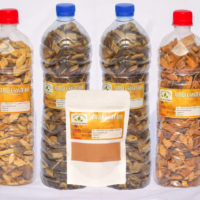
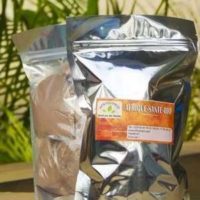
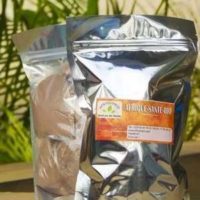
-powder in a sachet or 50g pot
Composition
-Plant extracts. Read more
Active substances
—Anti-carcinogenic and reducing absorbent elements
Price: €100
Click here to discover over a hundred Free Recipes.
How can I find out more about it and contact the centre?
Click Learn more about the product
Therapeutic Effects of Breast Cancer Prevention Food
Herbal Tea No. 430: Breast Cancer Prevention Food Cancer kills cancer cells while sparing healthy cells. It is an absorbent and adsorbent herbal tea that neutralizes malignant cells and preserves healthy cells.
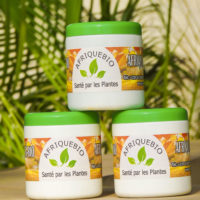
In summary, it kills cancer cells while preserving healthy cells. The herbal tea acts quickly on cancer cells, causing them to disintegrate within 72 hours, allowing the regeneration of new healthy cells in the body. Please discover this cream that helps treat breast cancer by clicking on HEALING with the plant.
Indications
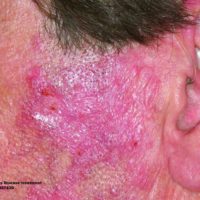
Breast cancer
Instructions for use: Read the instructions
Foods that may lower breast cancer risk
Foods that may lower breast cancer risk involve many factors that affect breast cancer development. While improving your diet can enhance overall health and reduce cancer risk, it is just one part of a larger picture. It’s also crucial to have regular breast cancer screenings, such as mammograms and manual checks, since early detection increases survival rates. Seek advice from healthcare professionals regarding screening for breast cancer.
Research suggests the following foods may lower your risk:
1. Leafy green vegetables like kale, arugula, spinach, mustard greens, and chard contain carotenoid antioxidants. Higher levels of these antioxidants are associated with a reduced risk of breast cancer. A 2012 analysis found that women with higher carotenoid levels had a significantly reduced risk of breast cancer, and a 2015 study linked higher carotenoid levels to an 18-28% reduced risk.
2. Cruciferous vegetables such as cauliflower, cabbage, and broccoli may also lower breast cancer risk. These vegetables contain glucosinolate compounds, which can be converted into isothiocyanates with cancer-fighting potential. A study found a link between higher cruciferous vegetable intake and a lower risk of breast cancer.
3. Allium vegetables, including garlic, onions, and leeks, are rich in nutrients with potential anticancer properties. Studies have shown a reduced risk of breast cancer with high intake of garlic and onion.
4. Citrus fruits like oranges, grapefruits, and lemons are packed with protective compounds. Research ties high citrus intake to a 10% reduction in breast cancer risk.
5. Berries may help lower the risk of breast cancer due to their antioxidants. A study found higher berry intake linked to a lower risk of estrogen receptor-negative breast cancer.
6. Fruits such as peaches, apples, pears, and grapes have been shown to protect against breast cancer, with some studies linking higher consumption to significant risk reduction.
7. Fatty fish like salmon, sardines, and mackerel contain omega-3 fatty acids and antioxidants that may lower breast cancer risk. Studies indicate a reduced risk associated with higher seafood intake.
8. Fermented foods, including yogurt, kimchi, and sauerkraut, contain probiotics that may protect against breast cancer, according to research linking dairy consumption and lower breast cancer risk.
9-Beans are high in fiber, vitamins, and minerals. Studies show that eating more beans can lower the risk of breast cancer, with one 2018 study noting a 20% reduction in risk for women with high bean intake. A 2020 study found a 28% lower risk among Nigerian women with the highest bean consumption.
10-Herbs and spices are rich in compounds that may help protect against breast cancer. For example, oregano contains antioxidants like carvacrol, while turmeric’s curcumin has shown anticancer properties. Including a variety of herbs and spices, such as thyme and ginger, in your diet is beneficial.
11-Whole grains, including wheat, brown rice, and quinoa, are packed with important nutrients and may help fight cancer. One study linked more than seven servings of whole grains weekly to a lower risk of breast cancer. Another study indicated that higher quality carbohydrates are associated with reduced breast cancer risk.
12-Walnuts are nutritious and may also help protect against breast cancer. A study showed that those consuming the most walnuts, peanuts, and almonds were 2–3 times less likely to develop breast cancer. Eating walnuts may lead to changes in genes related to breast cancer growth and may block cancer cell growth significantly.
Foods and Beverages to Limit or Avoid
Introduction
Certain foods and drinks can either lower or increase the risk of breast cancer. It’s helpful to limit or avoid some of these items.
Key Points
• Alcohol: Heavy drinking can significantly raise the risk of breast cancer.
• Fast Food: Regular consumption is linked to higher risks of various health issues, including breast cancer.
• Fried Foods: A diet high in fried foods may increase breast cancer risk, as observed in studies.
• Processed Meats: Eating processed meats like bacon and sausage can raise breast cancer risk by 9%.
• Added Sugar: High sugar intake can increase inflammation and cancer-related enzyme activity.
• Refined Carbs: Diets rich in refined carbohydrates can elevate breast cancer risk. Instead, choose whole grains and healthy vegetables.
• Soy Products: Research on soy is mixed; while high isoflavone intake may increase risks, many studies show that soy can lower breast cancer risk and aid recovery.
DISCUSS WITH LADY FERANMI HERE
Other Lifestyle Considerations
Regular exercise, sufficient sleep, and avoiding smoking are crucial for reducing cancer risk. Some cosmetics and plastics might also contribute to risk. Choosing natural products may help.
Conclusion
A balanced diet with healthy foods can reduce breast cancer risk, while limiting harmful items is essential. Regular health check-ups and screenings are important for prevention and early detection.