Description
Adenomyosis And Pregnancy. Learn how this condition affects fertility, pregnancy risks, and natural treatment options for a healthy journey to motherhood.
Adenomyosis And Pregnancy
Is it possible to conceive if I have adenomyosis?
Many individuals diagnosed with adenomyosis successfully achieve pregnancy; however, studies indicate that effectively managing the condition prior to conception can significantly enhance pregnancy outcomes. If left untreated, adenomyosis may elevate the risk of complications during pregnancy due to the structural and inflammatory alterations it induces in the uterus.
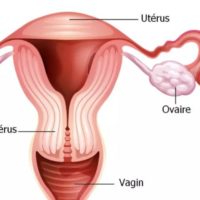
Adenomyosis is characterized by the infiltration of endometrial tissue into the muscular layer of the uterus, known as the myometrium. This abnormal growth disrupts the typical structure of the uterine muscle, resulting in a thicker and inflamed uterine wall. Such inflammation and disruption can hinder essential processes that are vital for a healthy pregnancy, including implantation, placental development, and the overall environment for fetal growth. Additionally, the increased muscle mass and inflammation of the uterus may raise the risk of preterm labor and restricted fetal growth, as the uterus may struggle to expand properly.
HOW TO GET PREGNANT WITH MYOMAS?
Untreated adenomyosis is linked to several complications, including:
– Premature birth: The added thickness and rigidity of the uterus may lead to premature contractions, raising the chances of early delivery.
– Restricted fetal growth: Inflammation and abnormal blood flow within the uterus can limit the supply of oxygen and nutrients to the developing fetus.
– Increased risk of miscarriage: Adenomyosis And Pregnancy
The inflammatory conditions in the uterus can disrupt embryo implantation and the stability of early pregnancy, resulting in higher rates of miscarriage. Mild adenomyosis and natural conception For individuals with mild adenomyosis, the structural changes are typically less pronounced, allowing the uterus to maintain greater flexibility and functionality. This often leads to a higher probability of natural conception and a reduced risk of complications.
However, even mild adenomyosis can lead to increased inflammation, which can disrupt implantation and early pregnancy. Seeking treatment before pregnancy can improve the uterine environment by addressing this inflammation, enhancing the chances of a healthy pregnancy
Benefits of seeking preconception treatment for adenomyosis
When adenomyosis is treated before attempting to conceive, the uterus can be restored to a more stable state, reducing the risk of complications during pregnancy. Treatments, including hormonal therapies or minimally invasive procedures, can help decrease inflammation, reduce the size of adenomyotic lesions, and promote better blood flow to the uterine wall. This preconception care helps create an environment that supports healthy implantation and foetal growth.
Research indicates that individuals with adenomyosis who seek treatment before pregnancy experience fewer complications, including a reduced risk of preeclampsia, placental issues, and premature labour, compared to those who do not receive treatment Preconception treatment thus plays a vital role in lowering the risks associated with adenomyosis and promoting a healthier, more stable pregnancy journey
Symptoms of Adenomyosis During Pregnancy
Pregnancy can reveal adenomyosis in women who previously had mild or undiagnosed symptoms. The condition may lead to a larger and more tender uterus, causing increased discomfort.
Key points include:
Pelvic Pain and Pressure: A heavy feeling in the pelvic area may increase as the uterus expands.
Abdominal Cramping: Mild to intense cramping can occur as the uterus stretches for the growing baby.
Spotting or Bleeding: Light spotting may happen, but any bleeding should be discussed with a doctor.
Lower Back Discomfort: Strain from adenomyosis can add to typical back pain during pregnancy.
Many women with adenomyosis can still have healthy pregnancies, but they should consult their healthcare provider about any discomfort
TECHNICAL SHEET ABOUT Adenomyosis And Pregnancy
Compositions: Plant extracts
Properties: Calming, immunoreconstituant, antioxidant, etc.
Active ingredients – Soothing, immunoreconstituant, antioxidant, etc.
Presentation Powder in a jar sachet or capsule
Instructions for use Read the instructions
Indications :Adenomyosis ;Endometriosis, painful and irregular rules, etc.
Side effects None
Duration of treatment Six months renewable
Price 50 euros
MAKE AN APPOINTMENT WITH LADY FERANMI HERE
Therapeutic Effects of Adenomyosis And Pregnancy Herbal tea
Adenomyosis herbal tea is crafted with natural ingredients known for their healing properties. It helps manage symptoms, supports fertility, and promotes a healthy pregnancy. Here are its key benefits:
Reduces Pain & Inflammation – Contains anti-inflammatory herbs that soothe menstrual cramps and pelvic pain.
Balances Hormones – Supports hormonal regulation to reduce excessive bleeding and improve reproductive health.
Enhances Uterine Health – Strengthens the uterus, reduces swelling, and supports implantation.
Improves Blood Circulation – Boosts oxygen and nutrient flow to reproductive organs.
Supports Fertility & Pregnancy – Prepares the womb for conception and helps maintain a stable pregnancy.
A natural solution for women seeking relief from adenomyosis while promoting a healthy pregnancy
The best treatment to cure myomas
Indications
Endometriosis, painful and irregular periods, etc.
Managing Adenomyosis-Related Pregnancy Pain
Managing adenomyosis-related pain during pregnancy can be difficult due to limited pain relief options. However, several safe methods can enhance comfort:
Gentle exercise: Prenatal yoga, walking, and stretching can reduce pelvic pressure and back pain while improving blood flow.
Heat therapy: A warm compress or bath can soothe cramping and pelvic pain without excessive heat.
Pelvic support belts: These provide support to ease the feeling of heaviness in the abdomen and back.
Regular check-ins with a healthcare provider: Consistent appointments help monitor symptoms and wellness for both mother and baby.
Using these supportive strategies can help women manage adenomyosis discomfort during pregnancy effectively
Risk factors to be aware of
If you’re planning to conceive and have adenomyosis, addressing the condition before pregnancy can reduce risks significantly. Preconception treatment, including hormonal therapies or minimally invasive procedures, can lower inflammation, improve uterine flexibility, and enhance blood flow to the uterus. By stabilising the uterine environment, treatment helps support a healthy implantation and pregnancy journey, minimising the potential for complications like preterm birth or growth restrictions.
For those who are already pregnant, staying informed and vigilant about symptoms can provide reassurance. Regular communication with your healthcare provider ensures that any developing risk factors are identified early, giving you and your baby the best chance of a healthy pregnancy.
How to achieve a healthy pregnancy : Adenomyosis And Pregnancy
For women with adenomyosis, careful planning and, if possible, preconception treatment can create a more comfortable and stable foundation for pregnancy. Pre-treatment can reduce many of the condition’s effects, offering a clearer path to a healthy pregnancy. For those who discover their adenomyosis after conceiving, there are also effective symptom management strategies
Managing uterine health for comfort
With preconception treatment:
When adenomyosis is treated before pregnancy, the uterine wall stabilises, inflammation decreases, and blood flow improves, helping reduce symptoms like cramping and pelvic pressure. Research highlights that hormonal treatments and minimally invasive surgeries can reduce uterine inflammation, often making pregnancy less symptomatic and more comfortable [6].
If untreated before pregnancy:
For those already pregnant, gentle measures can still provide symptom relief. Low-impact exercises such as swimming and prenatal yoga support circulation and ease pressure, while pelvic support belts help manage discomfort by providing structural support. Regular rest and stretching also promote uterine relaxation and reduce cramping.
Reducing the risk of pregnancy complications
With preconception treatment:
Pre-pregnancy treatment of adenomyosis, such as hormonal regulation or surgery, has been shown to reduce risks associated with the condition, including premature labour and foetal growth restrictions. Studies indicate that women who treat adenomyosis before pregnancy experience fewer complications, as these treatments optimise the uterine environment for implantation and foetal development .
If untreated before pregnancy:
For those pregnant without pre-treatment, frequent prenatal monitoring is essential. Regular check-ups help identify potential issues early, allowing for prompt intervention if necessary. An anti-inflammatory diet, rich in leafy greens, omega-3 fatty acids, and antioxidant-rich foods, may also help support uterine health during pregnancy by reducing inflammation.
Hormonal stability and symptom management
With preconception treatment: Adenomyosis And Pregnancy
Pre-pregnancy hormone treatments can stabilise the hormonal environment, reducing adenomyosis symptoms and creating a stronger foundation for pregnancy. Hormonal regulation can mitigate the effects of adenomyosis on uterine tissue, contributing to a less disruptive and more enjoyable pregnancy journey [8].
If untreated before pregnancy:
Mindfulness techniques, such as meditation and yoga, can help manage stress hormones, promoting hormonal stability during pregnancy. Complementary therapies, like acupuncture, may also support symptom relief by promoting blood flow and managing pain. Although these should be practised with certified professionals during pregnancy
Does adenomyosis resolve after pregnancy?
For numerous women, pregnancy may provide: both temporary and potentially long-lasting relief from the symptoms of adenomyosis, largely due to hormonal fluctuations. Nevertheless, it is not uncommon for symptoms to resurface, particularly as menstrual cycles begin again. Some women may notice a decrease in issues such as heavy bleeding and cramping after giving birth. while others might experience a return or even an escalation of these symptoms.
Breastfeeding can prolong symptom relief by inhibiting ovulation and menstruation. However, once breastfeeding diminishes and menstrual cycles resume, symptoms like pelvic pain and heavy bleeding may reemerge.
If adenomyosis remains untreated, it could heighten the risk of complications in future pregnancies, including:
preterm labor, restricted fetal growth, and even miscarriage, attributed to persistent inflammation and structural alterations in the uterine tissue.
Treatment Options After Pregnancy
After pregnancy, some women may experience returning symptoms and have various treatment options tailored to their family planning goals. Treatment usually starts six to twelve weeks postpartum, though severe symptoms may lead to earlier hormonal therapies after consulting a healthcare provider.
Key Points:
Hormonal Therapies: Treatments like progestin, hormonal contraceptives, or GnRH agonists can help manage symptoms while allowing future pregnancies.
Minimally Invasive Procedures:
For those not planning more children, uterine artery embolisation (UAE)
or endometrial ablation can relieve symptoms by reducing blood flow or targeting the uterine lining.
Hysterectomy: This is an option for women with severe symptoms who do not intend to conceive again, providing complete relief.
Working with a specialist allows women to create a tailored treatment plan to manage symptoms and support future reproductive goals.